Ukraine wants CARY
Published
May 18, 2026
EASTERN UKRAINE (Forsvarets forum): A few miles from where Russian forces are pushing forward, Ukrainian combat medic Serhii “Jedi” Rotsjuk is busy training new medical soldiers.
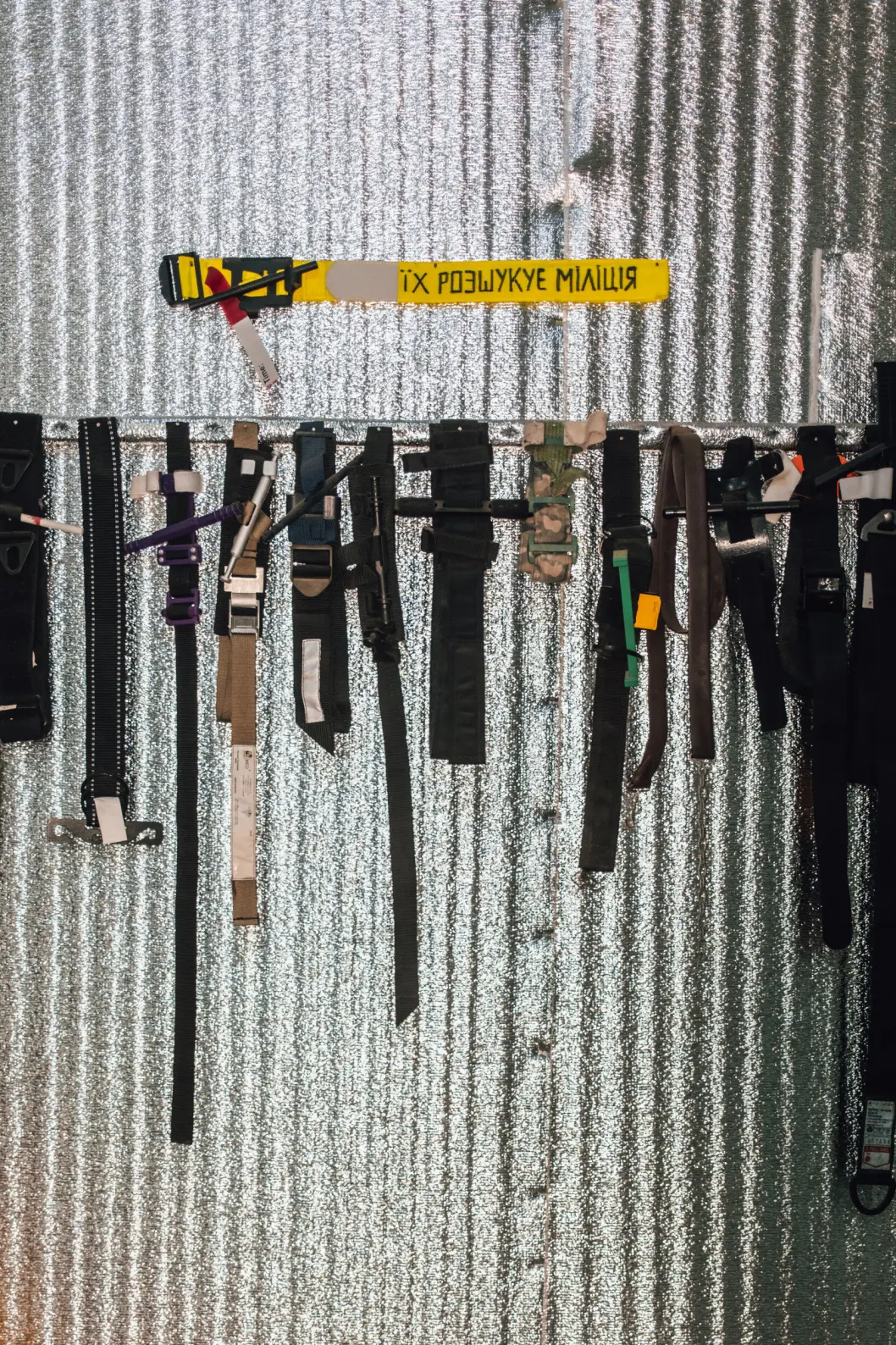
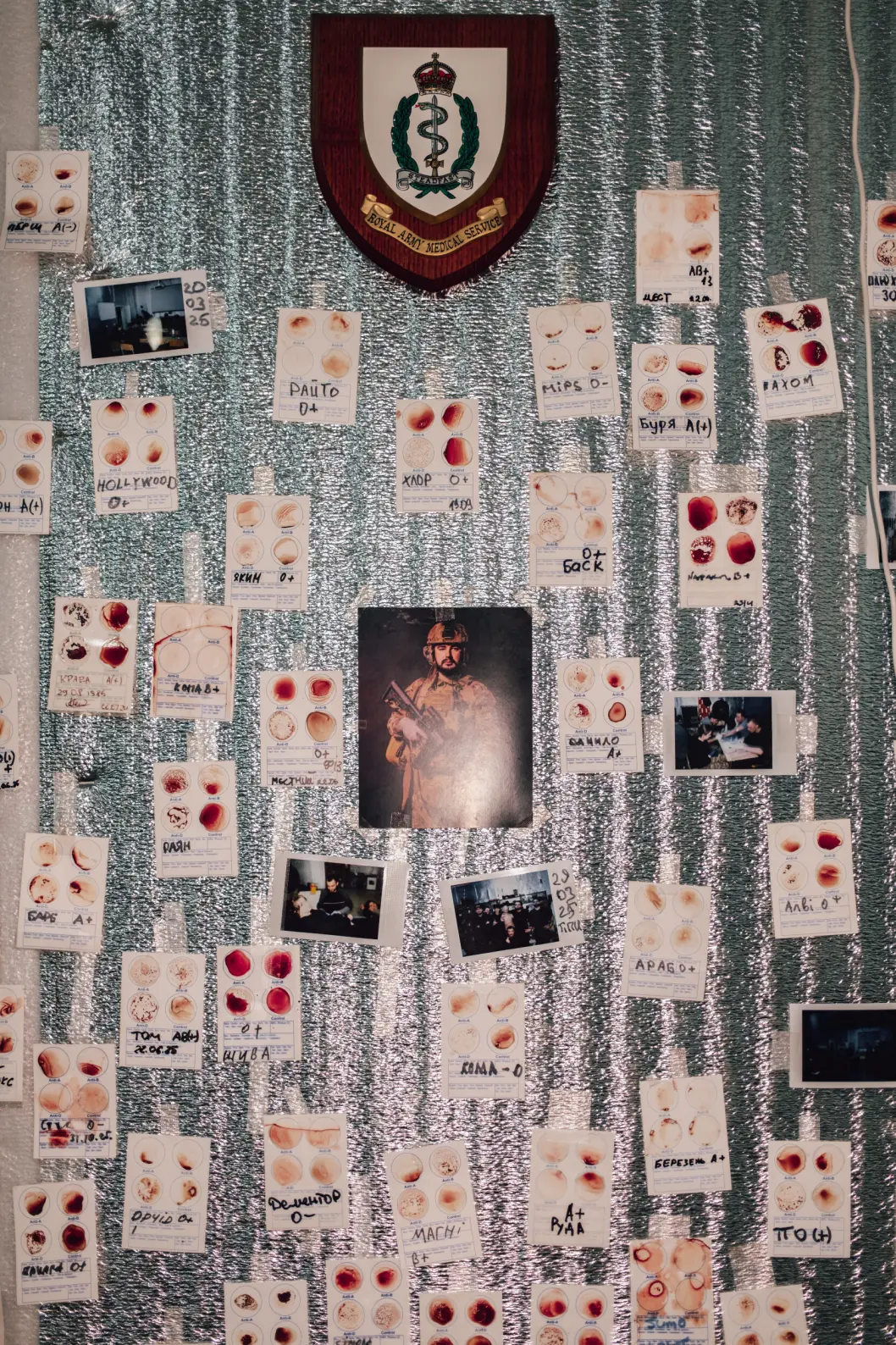
Inside the old house, the walls are covered in foil and all windows are sealed. Tourniquets, old blood samples, and a picture of a Ukrainian soldier who lost his life while evacuating wounded comrades hang on the walls.
In the background, heavy explosions from nearby fighting can be heard.
Rotsjuk is part of the Azov 12th Brigade. He has fought in Mariupol and has been held in Russian captivity. He knows well what challenges the new soldiers will soon face.
— The kill zone has become much larger. There are no longer any safe areas near the front or behind the front line, he says.
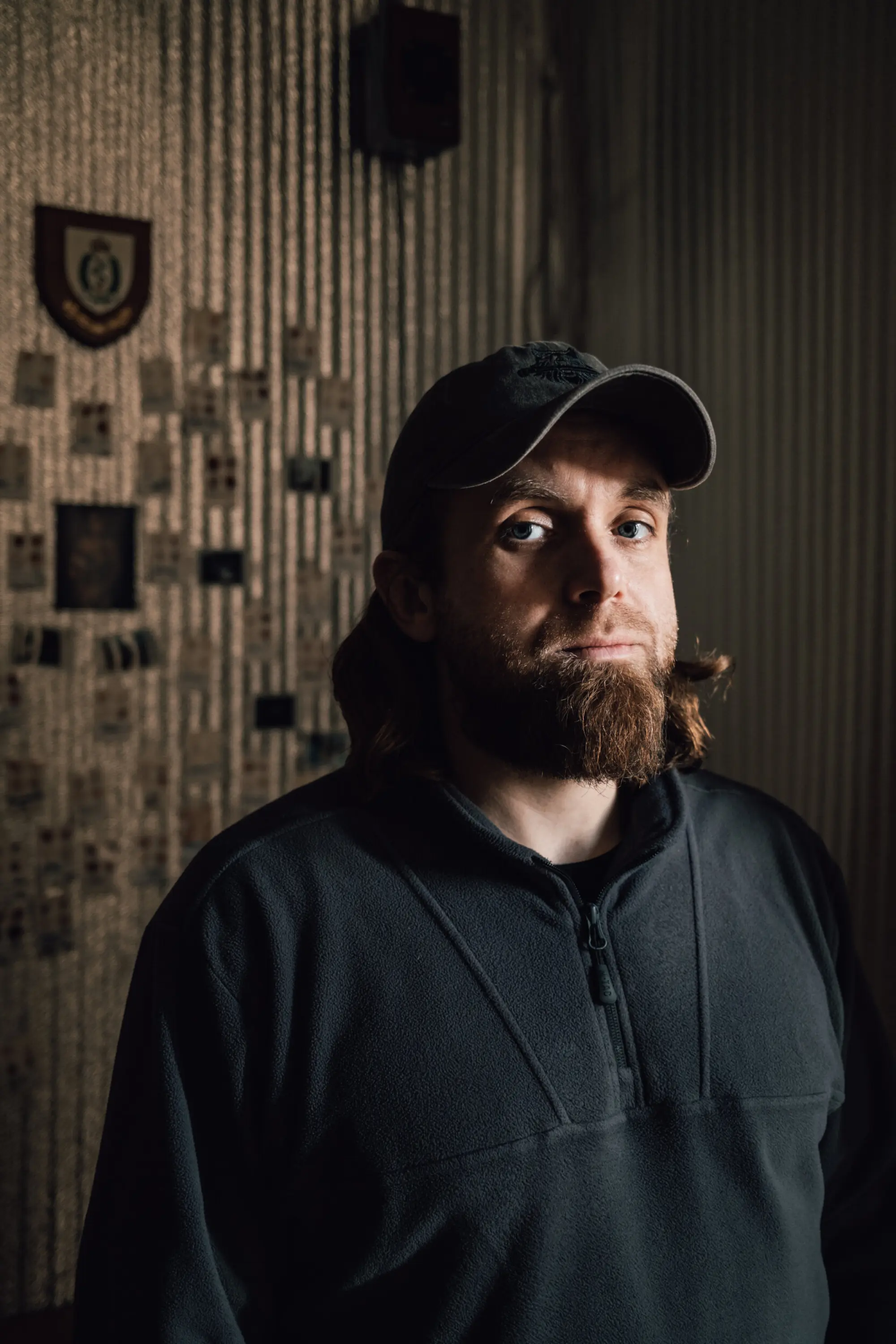
Photo: Krister Sørbø, Forsvarets forum"
Rotsjuk believes Ukraine is facing an adaptive enemy.
— The image sometimes portrayed of Russians as stupid or poor soldiers is not accurate. Many of them are highly competent and dangerous opponents, he says.
Increasingly challenging at the front
In Ukraine, drones dominate the battlefield and cause the majority of casualties on both sides. This means that any movement to or from Ukrainian frontline positions is life-threatening. At times, it is impossible for soldiers to move in or out.
The situation at the front is becoming increasingly challenging, especially when it comes to evacuating wounded soldiers, according to Rotsjuk.
— In Afghanistan, NATO operated with “the golden hour,” but here in Ukraine it has become more like “the golden week,” he says.
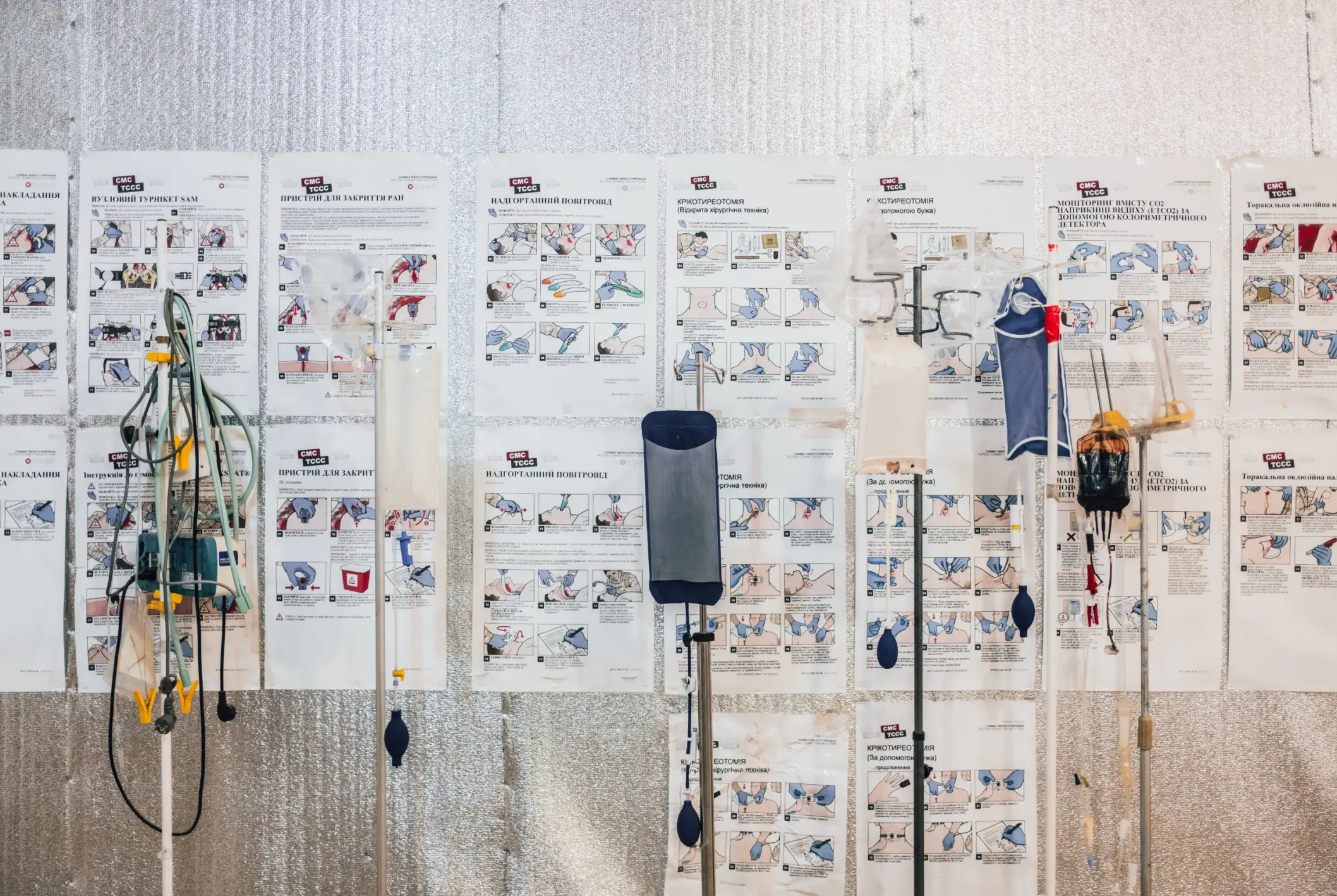
It is not uncommon for severely wounded soldiers to be treated and stabilized at the front for extended periods before evacuation. In extreme cases, it has reportedly taken up to a week. This places entirely different demands on both medics and the equipment available to them.
— There is no clear frontline here anymore, as in traditional conventional wars, he says.
The constant evolution at the front makes innovation and testing of new procedures and equipment absolutely essential, according to Rotsjuk.
Now, a Norwegian product is high on Ukraine’s wish list.
Far more effective
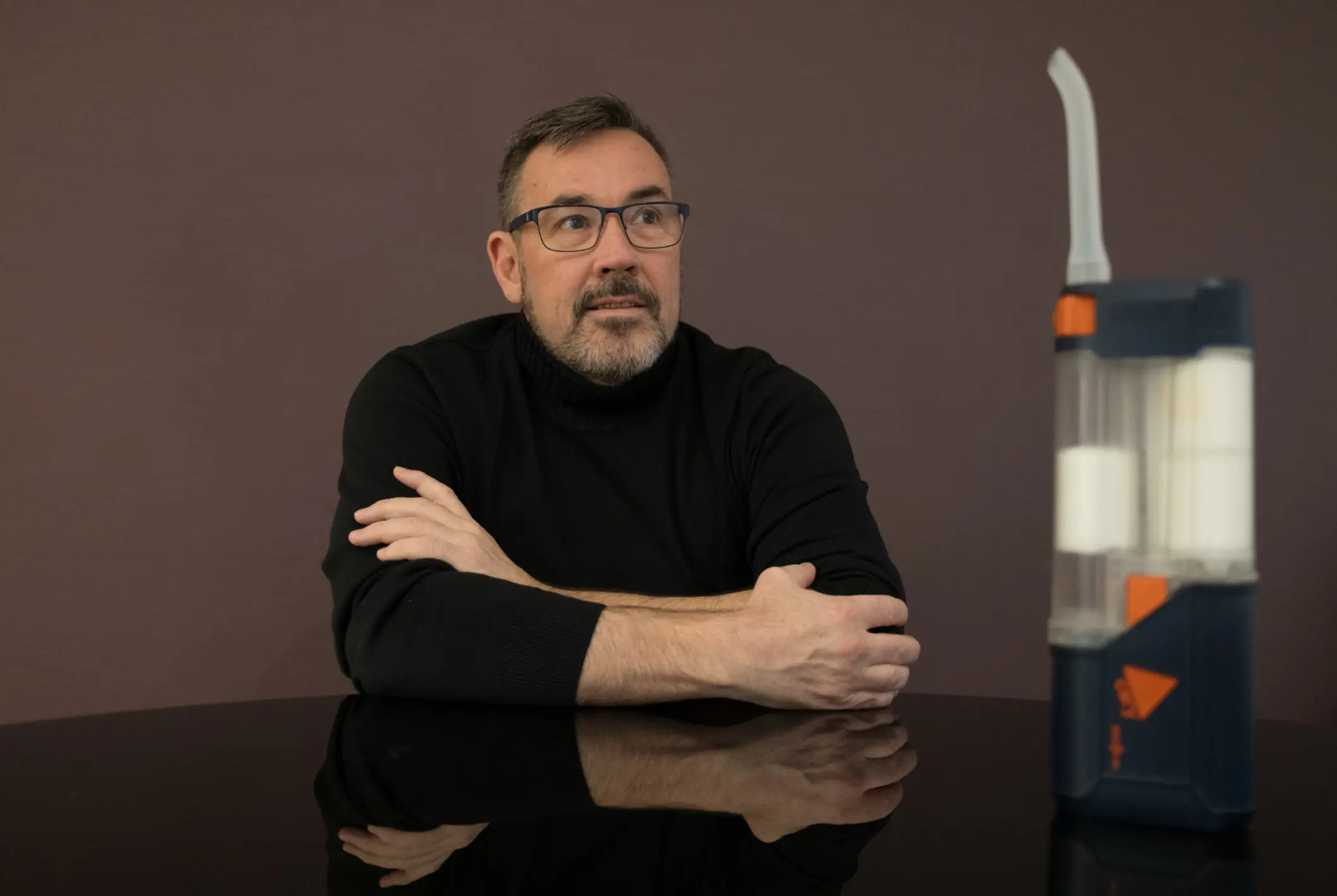
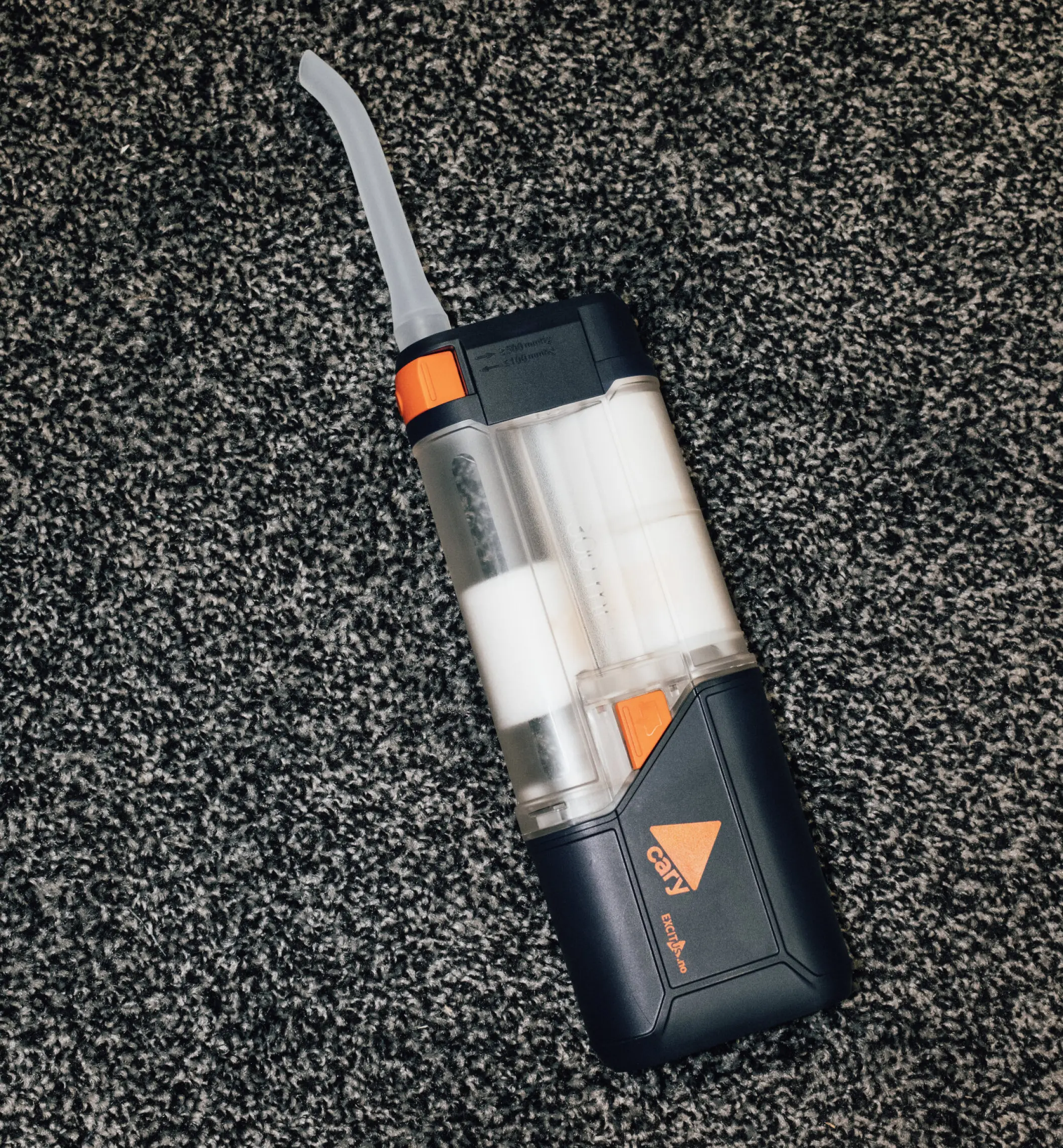
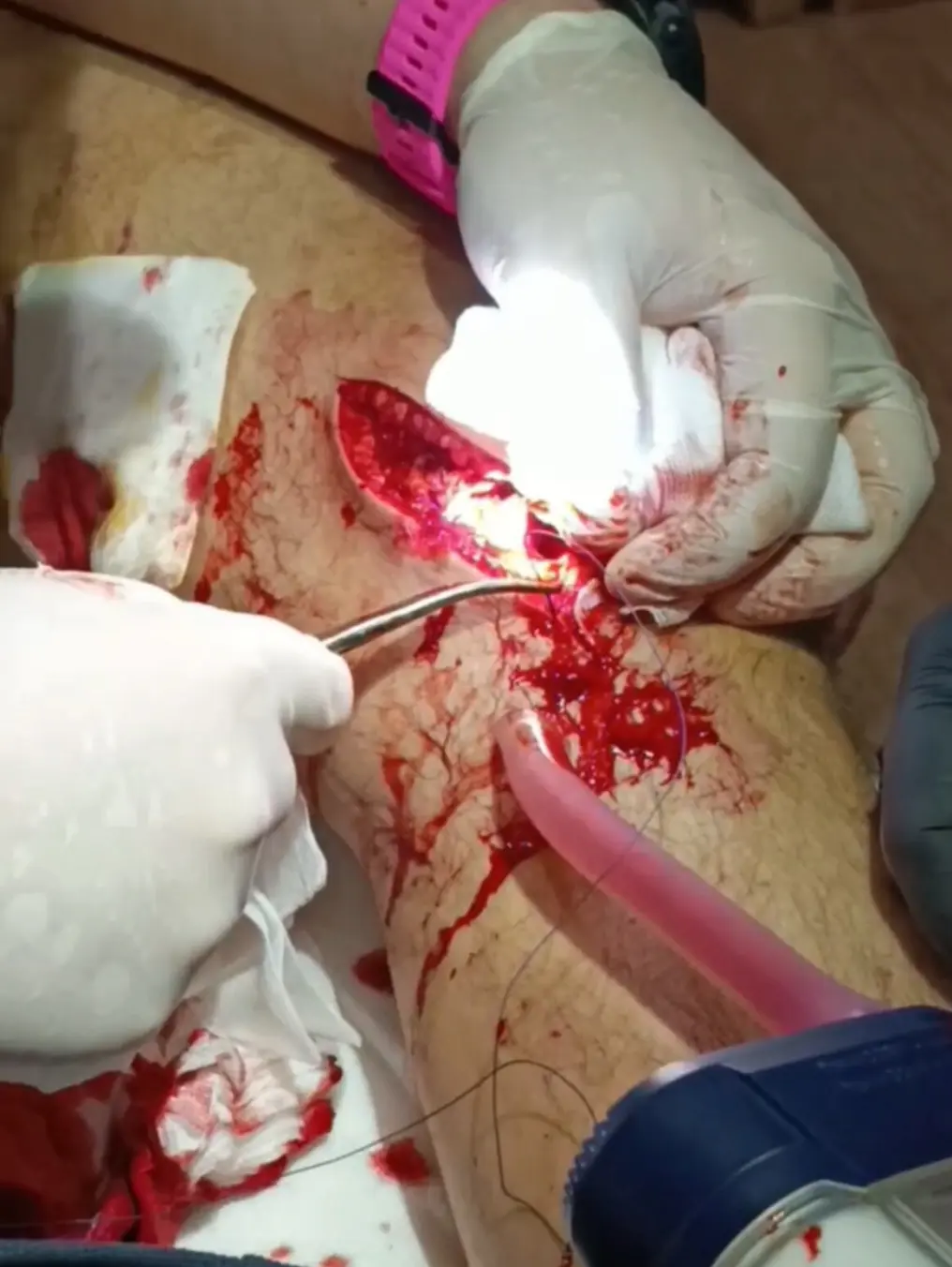
The Norwegian-developed product is called Cary. It is a device used to suction away fluids such as vomit or blood that block a patient’s airway.
Photo: Krister Sørbø, Forsvarets forum."
There are many products on the market for this purpose, but none that currently provide a complete solution, according to Nils Petter Oveland, a consultant at the air ambulance department at Stavanger University Hospital.
In this article, Oveland speaks on behalf of Prometheus Medical International, where he is CEO.
Oveland has helped develop Cary. Although the product is not yet approved for use in Europe, he believes approval is just around the corner. He also sees strong potential for civilian use.
— We currently carry hand pumps that rely on muscle power to remove fluids. They can only handle limited amounts of blood, fluid, and vomit, he says.
Today, more powerful suction devices are typically tied to air ambulances or emergency vehicles.
With Cary, users get a suction device that is more powerful than manual alternatives, offers three to four hours of battery life, and weighs under one kilogram—making it easy to carry in a backpack, according to Oveland.
— It is immediately available, and the long battery life is a huge advantage, especially in field conditions, he says.
Tested in combat
Cary has been under development for ten years and in 2025 it received regulatory approval in the United States (FDA) after testing with U.S. special forces.
— It makes a radical difference for those on the front line, says CEO Øystein Refseth.
The 140th Separate Special Operations Regiment and the 8th Special Operations Regiment, both part of Ukraine’s Special Operations Forces (SSO), have tested Cary in combat.
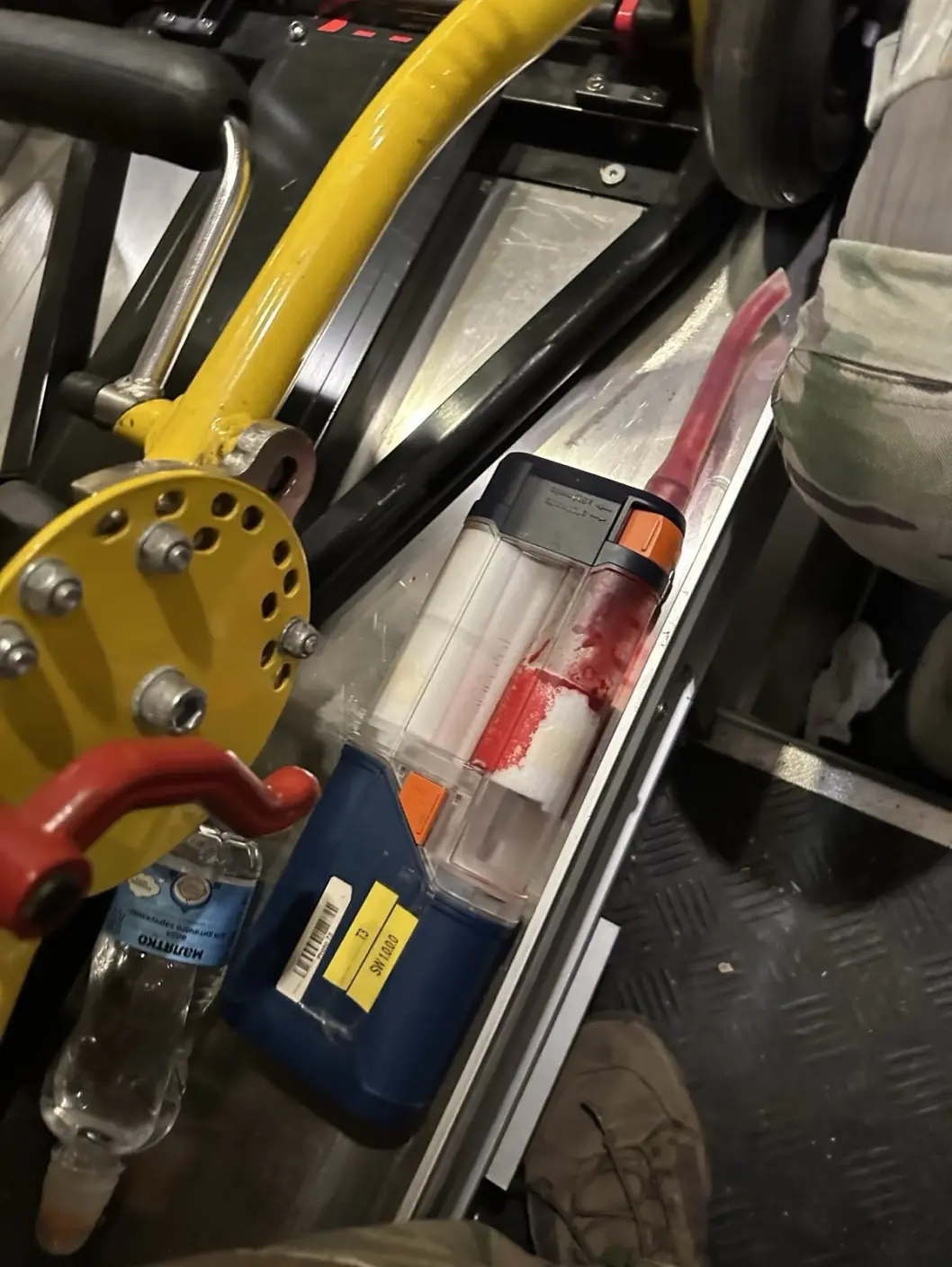
During February 2025, the product was used in several critical frontline situations in Ukraine, according to Refseth.
— The feedback was immediate. They want Cary available on all their missions, he says.
Cary has also been delivered to training facilities for combat medics, as well as to intelligence and special operations units and the Azov brigade.
Fulfills several critical roles
Oveland emphasizes that the product is only approved for airway use, but Ukrainian soldiers have used it in several other ways with good results.
— The types of approvals that limit us in Norway are less important in war. It is common for products to be used beyond their approved scope, he says.
Among other uses, Cary has proven effective in identifying and stopping major bleeding. It removes blood from the wound site, making it possible to locate the source and stop the bleeding.
Cary has also worked well as a suction device for chest drainage in injuries such as pneumothorax, where air must be removed from around the lungs, or in other cases where fluid or blood needs to be removed from the chest cavity.
— Soldiers can have it ready in their backpack when entering high-risk areas. It gives them an important tool in prehospital care of the wounded, he says.
Request for larger donation
In Ukraine, the need is so great that Refseth has on several occasions been approached by Ukrainian officials asking to take the prototype he used for conference presentations.
— It is good to know we have created a product that makes a difference, but it is painful that we cannot deliver it immediately and in larger volumes, he says.
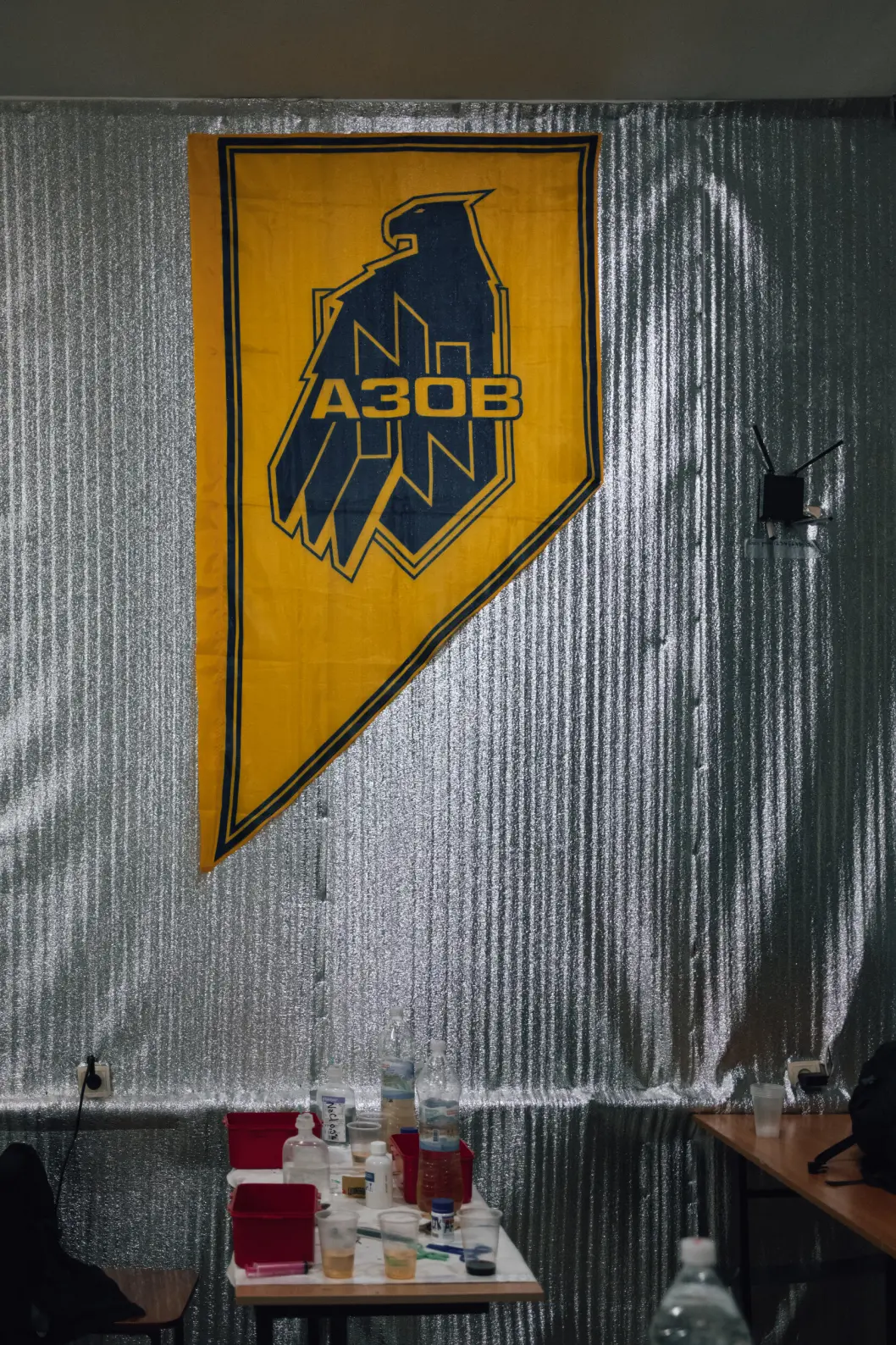

In July 2025, around 100 units were delivered to two Ukrainian special units, in addition to some units for Azov and training facilities.
Ukraine strongly wants to include this product as part of the standard equipment for combat medics, according to Refseth.
— 10,000 to 12,000 units would cover the immediate needs for evacuation, stabilization points, and field hospitals. If all combat medics are to be equipped with Cary, the need is even greater, he says.
The National Guard of Ukraine (NGU) has recently sent a Letter of Request to the Ministry of Defence for the delivery of 10,000 units. The request is still under consideration, according to Refseth.
Disclaimer: This text is an English translation generated by AI based on an original article published by Forsvarets forum. The translation is provided for informational purposes only and may not fully reflect the nuances of the original Norwegian text. Original article here: https://www.forsvaretsforum.no/ffi-forsvaret-forsvarets-sanitet/ukraina-vil-ha-norsk-oppfinnelse/491522